October 1, 2026
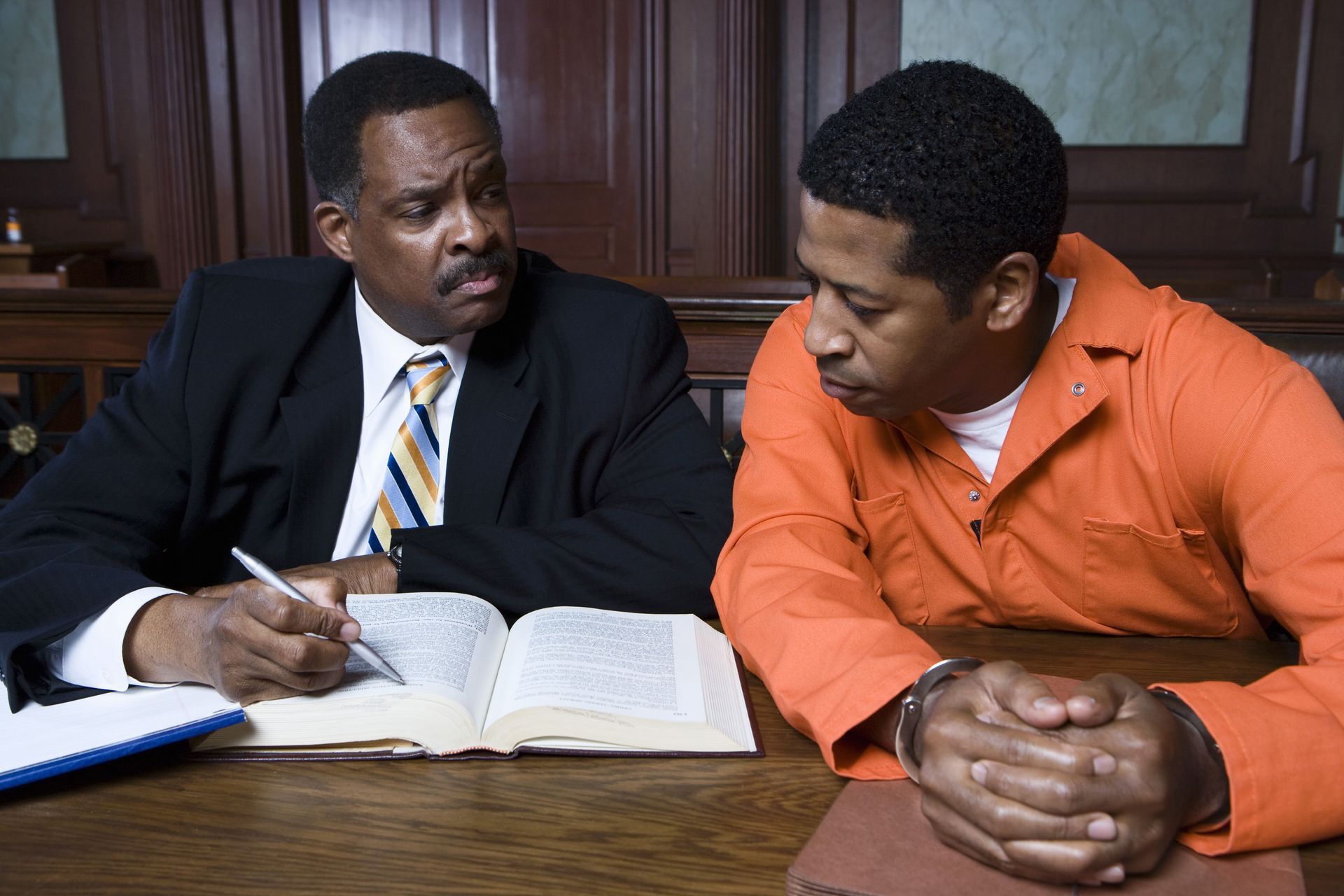
A qualified criminal defense attorney plays a pivotal role in guiding you through the justice system. This article guides you through making an informed decision about your legal representation.
Understanding Specialization in Criminal Defense
The Role of a Specialist Attorney
A specialist attorney deeply understands the intricacies of specific criminal law areas, offering defense strategies rooted in experience and targeted knowledge. They stay updated on the constantly evolving legal precedents that impact specific areas of criminal law. This commitment allows them to craft arguments that better protect their client's rights and freedom. The strategic advantage of having a specialist lawyer cannot be overstated. It often means the difference between a conviction and an acquittal or a harsh sentence versus a lenient one.
Benefits of Specific Expertise
Engaging a lawyer with specific expertise offers targeted defense strategies, informed by extensive experience in particular crime areas. These attorneys provide insights into procedural tactics relevant to specific charges, enhancing their capability to uncover weak points in the prosecution's case. They bring a comprehensive understanding of particular laws, regulations, and local court procedures. This specialized knowledge ensures that clients receive a robust and informed defense. Clients benefit from an attorney's focused skills, leading to more favorable outcomes.
Common Pitfalls of General Practice Attorneys
General practice attorneys may struggle with the complexities of specialized criminal cases, leading to potential missteps in defense strategy. They might lack familiarity with specific legal nuances and recent case law developments crucial for an effective defense. This can result in missed opportunities to exploit procedural errors or leverage defense-friendly precedents. While generalists offer broad services, they may fall short in providing the refined expertise necessary for criminal cases. Specialized attorneys mitigate these pitfalls through a targeted, learned approach.
Examples of Specialization
Specialized attorneys often have a portfolio of past case successes that demonstrate their expertise and capability. For instance, a lawyer who focuses on DUI offenses may have a track record of securing dismissals by challenging breathalyzer accuracy. Similarly, a white-collar crime attorney might showcase expertise in handling evidence in fraud cases, leading to favorable acquittals. According to Zippia, roughly 50% of criminal defense lawyers are women, which reflects a diverse profession where skill rather than gender defines success.
Researching Potential Attorneys
Professional Credentials and Affiliations
Investigating an attorney's professional background and affiliations is crucial in verifying their qualifications and expertise. Bar association membership and certifications in specialized legal fields are strong indicators of an attorney's commitment to legal excellence. Affiliations with legal organizations reflect ongoing engagement with the legal community and current developments. A well-qualified attorney will proudly display their credentials and affiliations as proof of their capability. This background check provides confidence in the attorney's professionalism and expertise.
Experience in Relevant Jurisdictions
Experience in the relevant jurisdiction greatly impacts an attorney's effectiveness, as laws and procedures can vary significantly across regions. Familiarity with local judges, prosecutors, and court procedures can provide strategic advantages in case handling. Attorneys well-versed in the local legal landscape can navigate the judicial system more fluently. Clients benefit from a lawyer's nuanced understanding of regional legal subtleties. Choosing an attorney with jurisdictional knowledge is essential for optimal defense outcomes.
Different Legal Approaches
Different attorneys may employ varied strategies tailored to case specifics and their unique legal philosophies. Some may pursue aggressive litigation, while others might favor negotiation and plea bargaining. Understanding these approaches helps clients align with an attorney whose strategy resonates with their legal objectives. Clients should discuss potential strategies during consultations to determine compatibility. Choosing an attorney with a preferred legal approach ensures cohesive representation and strategy alignment.
Asking Questions During the Initial Consultation
Attorney's Approach to Your Case
The initial consultation is an opportunity to understand the attorney's approach to handling your specific case. Ask about potential defense strategies and how they plan to tackle the charges. This interaction provides insight into the attorney's strategic thinking and commitment to your case. A clear understanding of their approach can inform your decision in hiring them. Client-attorney alignment in terms of strategy is crucial for successful legal outcomes.
Potential Defense Strategies
Discussing potential defense strategies during the consultation helps set realistic expectations and goals for the case. The attorney should explain the rationale behind their strategies and any alternative approaches. This discussion fosters client confidence in the lawyer's experience and plotting of a robust defense. Clients can share concerns and preferences, ensuring collaborative strategy development. An aligned strategy forms the foundation of an effective defense.
Time Commitments and Availability
Discussing an attorney's availability and time commitments is crucial to ensure consistent attention to your case. Understand their workload and how it may affect the focus on your legal matter. An attorney's ability to prioritize and provide timely updates can impact case progression. Clarifying availability aids in avoiding surprises regarding response times and case management. A committed attorney ensures proactive, client-focused legal representation.
Attorney's Communication Style
An attorney's communication style can greatly influence the attorney-client relationship and the flow of your case. Assess whether their style resonates with your preferences for updates and interaction. Open and transparent communication enhances trust and collaboration during the legal process. Ensure that the attorney is accessible and responsive to address your concerns promptly. A well-matched communication style contributes to smooth, cooperative case handling.
Assessing Attorney-Client Compatibility
Importance of Building Trust and Rapport
Trust and rapport in the attorney-client relationship are essential for effective legal advocacy. Clients should feel confident in sharing sensitive information, assured of the attorney's discretion. An attorney builds trust by consistently expressing professionalism, dedication, and concern for client welfare. This trust forms the backbone of a collaborative defense strategy. Without mutual trust, the legal process may face disruption and ineffective representation.
Communication and Updates
Open communication is central to managing expectations and maintaining client confidence in legal proceedings. Clients value timely updates on case progress and crucial developments. Effective communication ensures clients remain informed and engaged in their defense. Attorneys who prioritize communication build stronger attorney-client partnerships, enhancing legal effectiveness. Constant updates help clients prepare for and adapt to evolving case dynamics.
Client Responsibilities
Clients have responsibilities in the legal process, such as providing accurate information and fulfilling procedural obligations. An attorney should clarify client roles, ensuring active participation in the defense strategy. Clear communication regarding expectations prevents misunderstandings and fosters cooperative efforts. Knowing their responsibilities helps clients contribute meaningfully toward case resolution. Active involvement supports a synergistic approach to achieving favorable outcomes.
Significance of Mutual Respect and Understanding
Mutual respect and understanding create a conducive environment for effective case collaboration. Both parties should respect each other's perspectives and acknowledge their unique contributions to the defense. This synergy promotes strategic cohesiveness and strengthens attorney-client coordination. Ensuring mutual respect helps navigate challenging case moments smoothly and successfully. A respectful relationship empowers client cooperation and enhances overall case management.
Client Feedback on Comfort and Confidence Levels
Client comfort and confidence levels often reflect the quality of representation and satisfaction with legal services. Feedback provides insights into client experiences, showcasing comfort or highlighting potential issues. Attorneys should solicit feedback to improve services and strengthen relationship dynamics. Happy clients are likely advocates, sharing positive experiences and recommending services to others. Addressing client feedback enhances service quality and client satisfaction.
Analyzing Case Strategies and Outcomes
Potential Trial Scenarios
Trial scenarios present dynamic challenges and opportunities in determining case outcomes. Anticipating various scenarios and potential strategies equips clients for the trial process. Attorneys should prepare clients for courtroom procedures, witness examinations, and arguments. Understanding trial dynamics and advocacy skills enhances client readiness and confidence. A strategic awareness ensures clients are well-prepared for trial-stage developments and decisions.
Risk Assessment and Decision-Making
Effective risk assessment in criminal cases involves evaluating potential outcomes, uncertainties, and mitigation strategies. Comprehensive analysis informs client decision-making, aligning choices with legal objectives and risk tolerance. Attorneys guide clients through complex decisions, from proceeding to trial to accepting plea deals. Clients equipped with information make informed choices that optimize case outcomes. Strategic risk assessment supports methodical and conscientious legal navigation.
When choosing the right
criminal defense attorney for your case, it's important to consider specialization, case strategies, and more. If you're looking for a reliable legal team, reach out to Curt Crum Attorney At Law PLLC for expert representation!